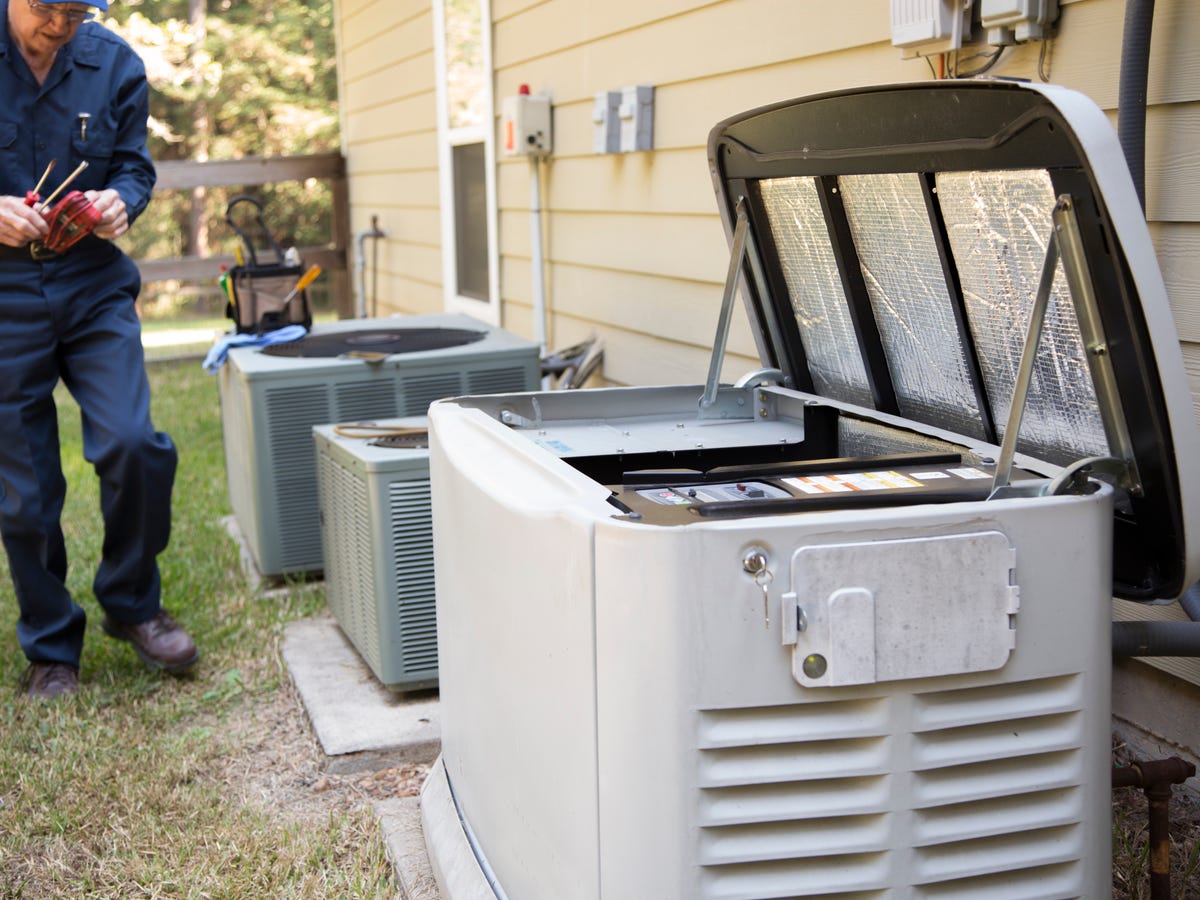
The decision of whether or not to install a whole-house generator might not be an easy one, as it usually involves a significant investment. However, the benefits of having a backup power supply can outweigh the initial cost, particularly if you live in an area prone to power outages. Let’s explore the top three reasons to consider installing a whole-house generator.

Reliable Power Supply

Firstly, a whole-house generator provides a stable and reliable power supply during outages. Power outages can occur due to several reasons such as severe weather conditions, maintenance issues, or problems with the grid system. When the power goes out, a whole-house generator automatically kicks in, restoring power to your entire home. This ensures that your essential home functions like heating, cooling, and lighting continue to operate seamlessly.

Safety and Comfort

Uninterrupted power supply translates to safety and comfort for your family. Power outages can be not just inconvenient, but also dangerous, particularly if they occur during extreme weather conditions. With a whole-house generator, you don’t have to worry about your home becoming too hot or too cold due to a lack of heating or air conditioning. Additionally, you won’t have to navigate through your home in the dark, reducing the risk of accidents.

Protecting Home Appliances

Thirdly, a whole-house generator protects your home appliances from potential damage caused by power surges. When power is restored after an outage, it can often come back with a surge that can damage sensitive electronics and appliances. With a whole-house generator, the power supply to your home is stable and uninterrupted, reducing the risk of such occurrences.

In summary, a whole-house generator ensures a reliable power supply, promotes safety and comfort, and helps protect your home appliances. While the initial investment might seem substantial, the peace of mind and the potential savings from avoided damage or loss can make it a worthwhile investment.

In light of the increasing unpredictability of weather conditions and the growing reliance on electrical appliances for day-to-day operations, investing in a whole-house generator has become more of a necessity than a luxury. The following are the top three reasons why now is the best time to consider this essential home improvement.

Generator Installation Services in Houston, TX to Combat Increasing Power Outages

https://www.homegeneratorshouston.com

With climate change resulting in more frequent and severe natural disasters, power outages have become a common occurrence. These outages do not only cause inconvenience but can also lead to financial losses and health risks. This data suggests that now is an optimal time to invest in a whole-house generator, ensuring a consistent power supply during an outage.

Generator Installation Trends in Houston, TX

Another factor that makes it a prime time to acquire a whole-house generator is the significant advancements in generator technology. Modern generators are smarter, more efficient, and easier to operate. They come with advanced features like automatic transfer switches that can detect a power outage and automatically turn the generator on within seconds. They also have load management systems that prevent overloads by prioritizing the power supply to essential appliances. In addition, the introduction of cleaner and more efficient fuel types also adds to the appeal of current generators.

Increasing Need for Generator Service in Houston, TX Due to Rising Dependency on Electrical Appliances

The surge in work-from-home culture and the increasing implementation of smart home technologies have dramatically increased our dependency on electricity. From heating and cooling systems to refrigeration, cooking, and home office equipment, nearly every aspect of modern living depends on reliable power. Any interruption in power supply can disrupt daily routines, impact productivity, and in some instances even result in data loss. Having a whole-house generator in place can provide an uninterrupted power supply, ensuring smooth functioning of all devices and appliances.

In essence, the increasing frequency of power outages, advancements in generator technology, and our growing dependency on electrical appliances are significant reasons why now is the perfect time to invest in a whole-house generator. Not only can it provide peace of mind and security during power outages, but it can also increase the overall value of your home. It’s a win-win situation for homeowners.

Severe storms can lead to power outages, causing inconveniences and potential hazards. A home generator can be a lifeline during these times, powering critical systems and appliances and ensuring families remain safe and comfortable. Here’s how a home generator ensures protection during severe storms.

Provides Continuous Power Supply

First and foremost, a home generator provides a continuous power supply during severe storms. When a storm causes a power outage, a home generator automatically switches on, ensuring that your home’s electrical systems remain operational even in the harshest weather conditions. This continuity of power is crucial for keeping essential appliances and systems such as heating and cooling units, refrigerators, and lighting working efficiently.

Powers Medical Equipment

For households with medical equipment that requires electricity, a power outage can be a life-threatening situation. Devices such as respirators, home dialysis equipment, electric wheelchairs, and other vital medical appliances need a continuous power source. A home generator ensures that medical equipment remains operational during severe storms, providing safety and peace of mind for those who rely on these devices.

Reduces Risk of Flooding

During severe storms, heavy rainfall can often lead to flooding. If your home has a sump pump, a power outage can render this device useless, increasing the risk of flood damage. A home generator can keep the sump pump operational, reducing the risk of basement flooding and the potential damage and costs associated with it.

Protects from Frozen Pipes

In colder climates, severe storms can result in freezing temperatures that can cause water pipes to freeze and potentially burst, leading to significant water damage. By providing power to your home’s heating system, a home generator can help keep the temperature above freezing point, preventing pipes from freezing and bursting.

Ensures Communication Channels Stay Open

In the event of a severe storm, staying informed about the storm’s path and intensity and receiving updates from local authorities can be vital. A home generator can keep communication devices like mobile phones, computers, and radios powered, ensuring access to critical information and the ability to reach out for help if necessary.

Keeps Home Security Systems Running

Security systems, including alarms and cameras, also rely on electricity. A home generator ensures these systems remain powered during severe storms, protecting your home from potential threats even during power outages.

In essence, a home generator acts as a reliable backup power source during severe storms, providing essential protection for your home and family. Understanding its role in storm protection can be instrumental in deciding to install a home generator.

When it comes to protecting your home from flood-related damages, a home generator can play an essential role. It may seem somewhat paradoxical at first, but when you dive into the specifics, it becomes clear that having a home generator offers distinct advantages in flood-prone areas. In this section, we will discuss how home generators can mitigate the impacts of floods on your home.

Continuous Operation of Home Generator in Houston, TX

A home generator’s primary function is to provide temporary power during a power outage. In the event of a flood, the power grid can be severely affected, leading to extensive power outages. This is particularly problematic if your home uses a sump pump to remove excess water from your basement or crawl space.

If the power goes out, the sump pump will stop working, causing water to start accumulating. A home generator can ensure the continuous operation of the sump pump, thereby preventing water from pooling in your basement.

Portable Generator Repair Services for Critical Appliances in Houston, TX

Aside from sump pumps, there are other critical appliances in your home that need to continue to function during a flood. For instance, your refrigerator, freezer, and HVAC system must be kept on to prevent food spoilage and maintain a comfortable indoor environment amidst the chaos. A home generator can ensure the continuous operation of these appliances even when the power grid has been compromised.

Finding the Best Generator Installers in Houston, TX

In times of a flood, communication is vital. You need to stay updated with the latest weather forecasts, emergency updates, and evacuation notices. A home generator can keep your phones, computers, and internet connection functional, ensuring you stay connected with the world.

1.

During a flood, visibility can be a major issue, especially at night. Having a generator means having the ability to power your home’s lighting system, which can significantly increase safety.

2.

Lastly, by powering dehumidifiers and fans, home generators can help speed up the drying process post-flood. This can help mitigate the extent of water damage and potentially save you thousands of dollars in repair and restoration costs.

In conclusion, a home generator is an invaluable tool in preventing flood-related damages. It can keep essential appliances running, maintain communication lines, provide lighting, and expedite the drying process. However, it is important to remember that while a generator can help during a flood, it is not a substitute for proper flood-proofing measures and insurance coverage.

Having a resilient power supply is vital in ensuring the continuous operation of your household appliances. Many homeowners don’t realize the immense importance of home generators until they encounter a prolonged power outage, and are unable to use their appliances. However, with a home generator in place, you can ensure that all major appliances in your house continue to function seamlessly even in the event of a power disruption.

Securing Your Power with a Generator in Houston, TX

Home generators are particularly crucial in safeguarding appliances that perform essential functions. For instance, heating and cooling systems, refrigerators, and freezers that keep your food fresh, water and sump pumps that prevent flooding, and home security systems that ensure your safety. A home generator ensures these appliances remain operational, maintaining a comfortable and secure home environment.

  • Heating and Cooling Systems:During extreme weather conditions, a consistent power supply to your home’s HVAC system is essential to maintain a comfortable indoor environment. A home generator ensures that your air conditioner or heater continues to function, protecting you from harsh weather conditions.
  • Refrigerators & Freezers:A power outage can cause the food in your refrigerator and freezer to spoil, leading to financial loss and potential health risks. Home generators can keep these appliances running, preserving your food items.
  • Water and Sump Pumps:If you live in an area prone to flooding, a functioning sump pump is crucial during power outages. A home generator can keep your pump operational, preventing water damage to your property.
  • Home Security Systems:In the event of a power outage, your home security systems may fail, leaving your property vulnerable. Home generators ensure continuous operation of these systems, enhancing your home security.

Ensuring Uninterrupted Entertainment with Houston Generators

In addition to vital appliances, home generators also ensure that your entertainment devices remain functional during power outages. This includes devices like televisions, computers, and gaming consoles. By providing a consistent power supply, home generators ensure that your entertainment is never interrupted, offering a degree of comfort and normalcy during a power outage.

Whole House Generator In Houston, TX: A Key to Longevity of Appliances

Frequent power disruptions can cause wear and tear on your appliances, reducing their lifespan. Some appliances can even be severely damaged by sudden power surges when the electricity is restored. By maintaining a consistent power supply, home generators can protect your appliances from such damage, enhancing their longevity.

Investing in a home generator goes beyond mere convenience. It is an investment in safety, comfort, and the longevity of your home appliances. A reliable home generator ensures that your household continues to operate seamlessly and your living environment remains comfortable and secure, even during power disruptions.


How Much Do Home Generators Cost and Are They Worth It? - CNET
Choosing the right generator size for your home or commercial space necessitates careful consideration. Getting the perfect size is crucial for ensuring adequate power supply during a blackout, as well as for the longevity of the unit. Here are some essential steps to help you determine the ideal generator size for your needs.

Understanding Your Generator in Houston, TX Power Requirement

Start by cataloging all the devices and appliances that you want the generator to power during an outage.

  • Refrigerators and freezers
  • Heating and cooling systems
  • Lighting circuits
  • Computers and other electronics
  • Medical equipment (if applicable)

Each of these devices will have a power rating, usually given in watts, which tells you how much electricity it uses under normal operation. You can typically find this information on the device’s label or in its user manual.

Once you’ve listed all the devices, add up their power ratings to get your total power requirement.

Understanding Houston Generators: A Comprehensive Guide

When determining the generator size, it’s important to consider not only the running watts (the power needed to keep devices operating) but also the starting watts (the extra power needed to start up certain appliances). Some devices, like refrigerators and air conditioners, require two to three times their running watts to start. Be sure to account for this in your calculation.

Whole House Generator Installation in Houston, TX: Understanding Single and Three Phase Systems

For most residential homes, a single phase generator is sufficient. These generators are designed to handle the typical electrical load of a home, which includes lights, appliances, and electronics. However, for larger homes or commercial buildings with more significant power demands, a three-phase generator may be necessary. Three phase generators are more powerful and better able to handle heavier electrical loads.

Opt for Houston, TX Generator Installation for a Slightly Higher Rated Power Supply

It’s generally a good idea to choose a generator with a slightly higher rating than your calculated total requirement. This allows some room for error in your calculations, and also ensures that you don’t overload the generator, which could lead to damage.

Professional Generator Installation in Houston, TX

While this guide provides a basic approach to determining the generator size you need, you may want to consider getting a professional assessment, especially if your power needs are complex. A professional can help ensure that you get a generator that’s perfectly suited to your needs, and can also assist with installation and maintenance.

Choosing the right generator size can be a complex process, but with careful consideration of your power needs, you can select the perfect generator for your home or commercial space.

Investing in a home generator is a crucial decision that requires careful consideration and evaluation. A home generator assures you of uninterrupted power supply during power outages, bad weather, or emergency situations. Here are some essential factors to consider when investing in a home generator.

Cost

The cost of generators varies widely, depending on their size, type, and capabilities. It is essential to set a budget before starting your search. Consider the cost of the generator itself, as well as installation and maintenance costs.

Size

Choosing the right size of a generator is vital. The size determines the amount of power it can provide. A too small generator may not power all your necessary appliances, while a too large one may be unnecessarily expensive. Consider your power needs during an outage and choose a generator that can meet those needs.

Fuel Type

Generators can be powered by various fuel types such as gasoline, diesel, propane, or natural gas. Each fuel type has its advantages and disadvantages. For example, gasoline generators are commonly available and affordable, but gasoline is highly flammable and has a short shelf life. Diesel generators are more fuel-efficient but are noisier. Propane and natural gas generators are cleaner and quieter but are more expensive.

Noise Level

Generators can be quite noisy, which can be a problem, especially in residential areas. Look for generators with noise reduction features or consider installing a soundproof enclosure. The noise level is usually indicated in decibels (dB) in the product specifications.

Run Time

The run time refers to how long a generator can operate on a full tank of fuel. It’s essential to consider this, especially in areas where power outages are frequent or prolonged. Longer run times mean less frequent refueling, which can be a significant advantage during extended power outages.

Transfer Switch

A transfer switch is a necessary safety feature that prevents backfeeding, a dangerous situation where electricity is sent back down the utility lines. Manual transfer switches will need to be switched on by hand when the power goes out, while automatic transfer switches will sense a power outage and switch on the generator automatically.

Brand and Warranty

Invest in a reputable brand that offers a solid warranty. A good warranty indicates that the manufacturer is confident in the quality of their product. It also gives you peace of mind knowing that you’re covered if something goes wrong with your generator.

Choosing the right home generator is an essential step towards ensuring a reliable power supply in your home during emergencies. By considering these factors, you are better equipped to make an informed decision that guarantees your home’s comfort and safety.

Generators provide backup power for homes in the event of a power outage. They come in a variety of types and sizes, each designed to meet specific power needs and requirements.

Portable Generators

Portable generators are mobile units that can be moved from one location to another. They are usually powered by gasoline or diesel and are a great solution for occasional power outages. One of their main advantages is that they can be used for other purposes, such as camping or using power tools outdoors. However, they require manual operation and can be noisy.

  • Advantages:
    • Portable and convenient
    • Lower initial cost
    • Versatile usage
  • Disadvantages:
    • Manual operation
    • Can be noisy and produce fumes
    • Requires regular refueling

Standby Generators

Standby generators are permanent installations that automatically provide power in case of an outage. They are usually powered by natural gas or propane and are directly connected to the home’s electrical system. The main advantage of these generators is that they provide uninterrupted power supply, but they come with a higher price tag.

  • Advantages:
    • Automatic operation
    • Can power entire home
    • Longer runtime
  • Disadvantages:
    • Higher initial cost
    • Permanent installation
    • Requires professional installation

Inverter Generators

Inverter generators use a different type of alternator than standard generators to generate AC power. The power that’s output is then converted to DC power and then inverted back to clean AC power that maintains a single phase, pure sine wave at the required voltage and frequency. This results in a stable and clean output that can safely power sensitive electronic devices.

  • Advantages:
    • Clean and stable power output
    • Efficient fuel usage
    • Quieter operation
  • Disadvantages:
    • Usually have lower power output
    • More expensive than conventional portable generators

Solar Generators

Solar generators use solar panels to capture energy from the sun, store it in a battery, and convert it to usable AC power with an inverter. They are environmentally friendly and have low operating costs, since they use renewable energy. However, their performance depends on the weather and they usually offer a lower power output.

  • Advantages:
    • Environmentally friendly
    • Silent operation
    • Low operating cost
  • Disadvantages:
    • Dependence on weather
    • Lower power output
    • Initial cost can be high

Each of these generator types has its pros and cons, and the best one for you depends on your specific needs and circumstances. Consider factors such as your power needs, budget, and desired level of convenience when choosing the right generator for your home.

As a homeowner, you understand the importance of having an uninterrupted power supply. Whether it’s for comfort, convenience, work, or safety, electricity plays a vital role in our daily lives. Investing in a backup generator ensures that your life doesn’t stop when the power goes off. To help you make an informed decision, we’ve compiled a list of top-rated backup generator sizes ideal for household use.

Generator Service in Houston, TX for Small Sized Generators

Small generators typically range from 5,500 to 7,500 watts. These generators are perfect for a small to medium-sized house with limited power needs. They can efficiently power essential appliances such as the refrigerator, lights, and a heating system.

  • Example: The Briggs & Stratton 30545 P3000 PowerSmart Series – 2600 Running Watts/3000 Starting Watts

Home Generator Options in Houston, TX

Medium-sized generators range from 8,000 to 12,000 watts. These generators can handle almost all the appliances in a typical household. They’re ideal for homes that experience frequent power cuts or for those who live in areas prone to severe weather conditions.

  • Example

Portable Generator Repair in Houston, TX

Large generators start at about 15,000 watts and go up from there. These models are better suited for larger properties or for those homeowners who want to power up nearly every appliance in their home during a power cut, including high wattage appliances like central air conditioning.

Generator Installers in Houston, TX for Whole House Units

Whole house generators are a category of their own, usually starting from 20,000 watts. These generators are capable of powering the entire home and are hardwired into the home’s electrical system. They automatically kick in when the power goes out, providing a seamless transition.

Key Considerations

When choosing a generator, consider your power requirements, budget, and available space. Small and medium-sized generators are portable, less expensive, and require less space. In contrast, large and whole house generators offer more power but are more expensive and require a permanent installation space.

Remember that these are just general ranges and the appropriate generator size will depend on your specific needs. It’s always a good idea to consult with a professional to determine the most suitable generator for your home.

In a nutshell, a top-rated backup generator is a smart investment that provides peace of mind, ensuring that your home remains functional and comfortable, no matter what happens with the public electricity grid.

Modern businesses rely heavily on electricity. From computers to machinery, electricity is the backbone of most operations. In fact, power outages can halt operations and potentially cause significant financial losses. That’s where industrial-grade generators come into play. They provide a reliable source of power during outages, ensuring operations continue smoothly. However, one size does not fit all when it comes to generators for businesses. Here’s an exploration of the best industrial-grade generator sizes for your modern business.

Understanding Power Requirements

Generators are categorized based on the power they can produce, usually measured in kilowatts (kW). The power requirement for your business is dependent on the equipment, systems, and processes that need to be powered during an outage. Therefore, you should start by listing all the electrical equipment in your business and calculating their total power consumption. Your generator should be able to cater to this power requirement.

Common Industrial Generator Sizes

Industrial generators typically range from 20 kW to 2500 kW.

  • 20-100 kW:These generators are suitable for small businesses such as cafes, retail shops, and offices with a limited number of electrical equipment.
  • 101-500 kW:This range is perfect for medium-sized businesses like manufacturing units, data centers, and large offices. These generators can power numerous devices simultaneously.
  • 501-1000 kW:These are ideal for large businesses that have a substantial amount of electrical equipment. They are commonly used in factories, hospitals, and large office buildings.
  • 1001-2500 kW:These are large, heavy-duty generators for businesses with significant power needs, such as industrial manufacturing units, large data centers, and hospitals.

Choosing the Right Generator Size

While determining the right generator size for your business, consider these factors:

  1. Operational Needs:Identify the electrical equipment that must remain operational during a power outage. This will give you a minimum power requirement.
  2. Future Expansion:If you plan to expand your business, consider the increased power needs in the future.
  3. Budget:Larger generators come with a heftier price tag. Balance your power needs with your budget.
  4. Fuel Consumption:Larger generators consume more fuel. Consider the ongoing costs of fuel and maintenance.
  5. Space:Ensure you have sufficient space to house the generator.

Seeking Professional Advice

Choosing the right industrial-grade generator for your business is no small feat. It is highly recommended to consult with a professional before making your decision. They will assess your power needs, consider your budget and space constraints, and recommend the most suitable generator size for your business.

Understanding your power needs and exploring various industrial generator sizes will enable you to make an informed decision. A correctly sized generator will efficiently serve your power needs, provide value for money, and ensure your business continues to function smoothly during power outages.


Story pin image

A home generator, a device that provides a backup power supply, is an essential tool for maintaining comfort and safety during power outages. These outages could result from natural causes such as storms and hurricanes or from technical issues within the power grid. Understanding the essentials of home generators not only equips homeowners to make informed decisions but also ensures optimal use of these devices when needed.

Exploring the Use of Generators in Houston, TX

There are two main types of home generators: portable and standby.

  • Portable Generators: These are typically smaller, less expensive, and mobile. They are usually manually operated and won’t automatically switch on when power is lost.
  • Standstandby Generators: These are permanent fixtures that are installed outside the home. They automatically provide power when an outage is detected, therefore, there is no manual intervention required. These generators are more expensive but offer more power and convenience.

Exploring Your Houston Generators Options

Home generators can run on different types of fuel:

  • Gasoline: This is the most common fuel source for portable generators. It’s readily available, but it has a short shelf-life and should be used within a year of purchase.
  • Diesel: Diesel generators are typically more fuel-efficient and require less maintenance than their gasoline counterparts.
  • Propane: Propane can be stored indefinitely, making it a good choice for infrequently used generators.
  • Natural Gas: Standby generators can be connected to the home’s natural gas supply, eliminating the need for fuel storage.

Whole House Generator in Houston, TX: Understanding its Power Output

Basic necessities such as a refrigerator, heating system, and a few lights typically require between 3000 and 5000 watts. Higher power needs, such as running an entire home, require a standby generator with an output of 10,000 watts or more.

Generator Installation in Houston, TX: Managing Noise Level

Generators can be noisy. Before purchasing, consider the noise level, measured in decibels (dB), and local noise ordinances. Standby generators usually have noise-reducing features such as soundproof enclosures.

Maintenance & Safety

Regular maintenance, including checking fuel levels, testing the generator, and having professional servicing, is required to keep a generator in good working condition. Safety measures include proper ventilation to avoid carbon monoxide poisoning, and using heavy-duty extension cords designed for generator use.

Understanding the basics of home generators allows homeowners to make an informed decision about the type of generator that suits their needs and circumstances. The right generator can provide peace of mind and keep your home running smoothly during a power outage, making it an invaluable investment.

Standby generators, also known as backup or whole-house generators, are crucial tools that provide homeowners with a reliable power source when electrical outages occur. These units are installed permanently on a concrete pad in your home exterior and deliver power directly to your home’s electrical system, supplying your house with electricity during a power outage. This article will delve into the key features, types, and benefits of standby generators.

Top-Quality Generator Installers in Houston, TX

Standby generators possess several key features that distinguish them from portable generators.

  • Automatic Operation: Standby generators automatically turn on within seconds of a power outage, whether you’re home or not. This is made possible by a transfer switch that disconnects you from your utility after detecting a power failure.
  • Direct Connection: They are directly connected to your home’s electrical panel and powered by an external fuel supply, such as natural gas, diesel, or propane.
  • Higher Power Output: Standby generators have a much higher power output compared to portable generators, capable of running everything in your house, including HVAC system, lights, and large appliances.

Types of Standby Generators

Standby generators are mainly classified according to the type of fuel they use.

  • Diesel Generators: These are known for their longevity and fuel efficiency but require regular maintenance.
  • Natural Gas Generators: The operation of these generators is relatively quieter, they start automatically, and the fuel supply is unlimited as long as the gas company’s supply is accessible.
  • Propane Generators: These generators are eco-friendly with a clean burn. They are ideal for areas with natural gas restrictions.

Benefits of Standby Generators

Here are some of the reasons why investing in a standby generator is worthwhile:

  • Continuity: Standby generators ensure you never lose power, maintaining the operation of critical appliances such as refrigerators, medical equipment, heating and air conditioning systems.
  • Safety: They prevent the risks associated with power outages, such as food spoilage, freezing pipes, and heat stroke during extreme weather conditions.
  • Value Addition: A standby generator adds value to your home, making it more attractive to potential buyers who desire a reliable backup power source.

Standby Generator Limitations

While standby generators provide invaluable services, they have limitations:

  • High Initial Cost: They are more expensive to purchase and install compared to portable generators.
  • Maintenance: Standby generators require professional maintenance to ensure they function optimally.
  • Space: They require a substantial amount of space for installation.

Understanding the working, benefits, and limitations of standby generators is crucial in making an informed decision. It can help you assess your need for a generator and determine the right size for your home, which will be discussed in the subsequent sections.

In the face of frequent power outages due to natural disasters or system failures, many homeowners are turning toward backup power options to ensure uninterrupted electricity supply. A home generator is one such solution. But does every home need a generator? This guide will help you assess whether your home requires a generator or not.

Frequent Power Outages

A generator is an absolute necessity if your area experiences frequent power outages. Whether it’s due to storms, hurricanes, or an unreliable grid, a generator can provide electricity when it’s needed the most.

Dependence on Electrical Appliances

Consider your reliance on electrical appliances. For many households, appliances like refrigerators, water heaters, cooking ranges, and heating or cooling systems are essential. A prolonged power outage could result in spoiled food, cold showers, and uncomfortable temperatures. If you heavily rely on these electric appliances for daily living, a home generator is a prudent investment.

Home Businesses

Do you run a business from home? If yes, a power outage could halt your work, causing losses and inconveniences. Whether it’s a home office, workshop, or any other type of business, a generator ensures continuity of operations during a power outage.

Medical Equipment

For homes with residents who rely on electrically powered medical equipment, having a generator is not just a matter of comfort—it could be a matter of life and death. When such equipment is critical, a power outage can have serious consequences, making a generator absolutely vital.

Comfort and Convenience

Even if you don’t fall in any of the categories mentioned above, you might still want to consider a generator for sheer comfort and convenience. Power outages can be disruptive, preventing you from using lights, charging devices, watching television, using the internet, and more.

Cost-Benefit Analysis

To determine whether a home generator is worth the investment, doing a cost-benefit analysis can be helpful. Compare the cost of a generator, including installation and maintenance, with the potential losses and inconveniences a power outage could cause over the generator’s lifespan. If the benefits outweigh the costs, investing in a generator could be worthwhile.

Safety Concerns

Safety is another factor to consider. During power outages, homes can become targets for burglars. A generator ensures that your security system is up and running, keeping your home safe.

In summary, the need for a home generator depends largely on the individual circumstances of each homeowner. Factors such as frequency of power outages, reliance on electrical appliances, home businesses, medical needs, comfort and convenience, cost-benefit analysis, and safety concerns all play a role in determining whether a generator is a necessary investment for your home.

The size of your generator will directly influence its ability to meet your energy needs during a power outage. Therefore, it’s important to accurately determine the energy requirements of your home to select the best generator.

In the realm of home generators, ‘size’ refers to the generator’s capacity to produce power. This is usually measured in kilowatts (KW). The more kilowatts a generator can produce, the more electrical items it can power simultaneously.

Step 1: Identify Your Power Needs

Remember to consider essential systems like heating and cooling, refrigeration, and lighting, as well as important appliances such as stoves, water heaters, and medical equipment if applicable.

Step 2: Calculate Your Total Wattage

Next, you will need to calculate the total wattage of these appliances. You can find this information on the appliance itself, in the user manual, or online. The total wattage is the sum of the watts used by all the devices you want to power.

Step 3: Consider Starting Watts vs Running Watts

It’s also important to consider that some appliances require more power to start than to run continuously. These are known as ‘starting watts’ and ‘running watts. ‘ For instance, a refrigerator may require 2200 starting watts but only 700 running watts. When calculating your power needs, you should consider both these figures.

Here’s a simple table illustrating the concept:

Appliance Running Watts Starting Watts
Refrigerator 700 2200
Air conditioner (10,000 BTU) 1500 3300
Sump pump (1/2 hp) 1050 2150
Furnace fan (1/2 hp) 800 2350

Step 4: Add a Buffer

After calculating your total power needs, it’s advisable to add a buffer of around 20-30% to accommodate any future additions to your energy needs.

Step 5: Choose Your Generator

With all this information, you are now ready to choose the right size generator for your home. For instance, if your total running watts is 3500 and your total starting watts is 7000, you would need a generator of at least 7KW. Adding a 20% buffer would bring this up to 8. 4KW, so in this case, a 9KW generator would be an appropriate choice.

Remember, choosing a generator that’s too small may leave you without enough power during a blackout, while one that’s too large could result in unnecessary fuel consumption and maintenance costs.

The process of installing a home generator can seem overwhelming, especially for homeowners who have little to no experience with electrical systems. However, understanding each step involved can make the task less daunting and more manageable. The key to a successful generator installation lies in careful planning, using the right tools and equipment, and following safety guidelines.

Generator Service in Houston, TX: Pre-Installation Preparation

Before the installation process begins, a proper site where the generator will be placed must be identified. The location should be easily accessible and safe, preferably outdoors and far from windows or vents to prevent carbon monoxide from seeping into the home.

Certain jurisdictions may have specific regulations regarding the placement of generators. Therefore, homeowners should consult with local planning departments to ensure they meet all legal requirements.

Your Comprehensive Guide to Home Generator Installation in Houston, TX

  1. Site Preparation:The first stage of installation involves preparing the site where the generator will be located. This can involve leveling the ground, installing a concrete pad or a pre-fabricated generator pad for the unit to sit on.
  2. Delivery and Placement:Once the site is prepared, the generator can be delivered and set into place. This is typically done with a forklift or crane, depending on the size of the unit.
  3. Electrical and Fuel Connections:After the generator is in place, it must be connected to the home’s electrical system. A transfer switch is installed to safely shift power between the utility and the generator. Additionally, the generator is connected to a fuel source – typically, a natural gas line or a propane tank.
  4. Testing and Commissioning:Following the physical installation, the generator system needs to be tested to ensure it operates correctly and safely. This includes checking all connections, ensuring the automatic transfer switch functions properly, and running the generator under load to verify its performance.

Consider Portable Generator Repair in Houston, TX

Given the complexity associated with electrical connections and handling of fuel sources, many homeowners opt for professional installation. Professionals are familiar with local regulations and can ensure the installation meets all safety standards.

While installing a home generator can be a complex process, it doesn’t have to be difficult. With careful planning and the right resources, homeowners can ensure their homes are equipped with a reliable power source, ready to kick in whenever needed.